Clay tile repair and stainless steel relining — how to tell what your flue needs, what each option costs you in lifespan, and when relining is the only safe answer.
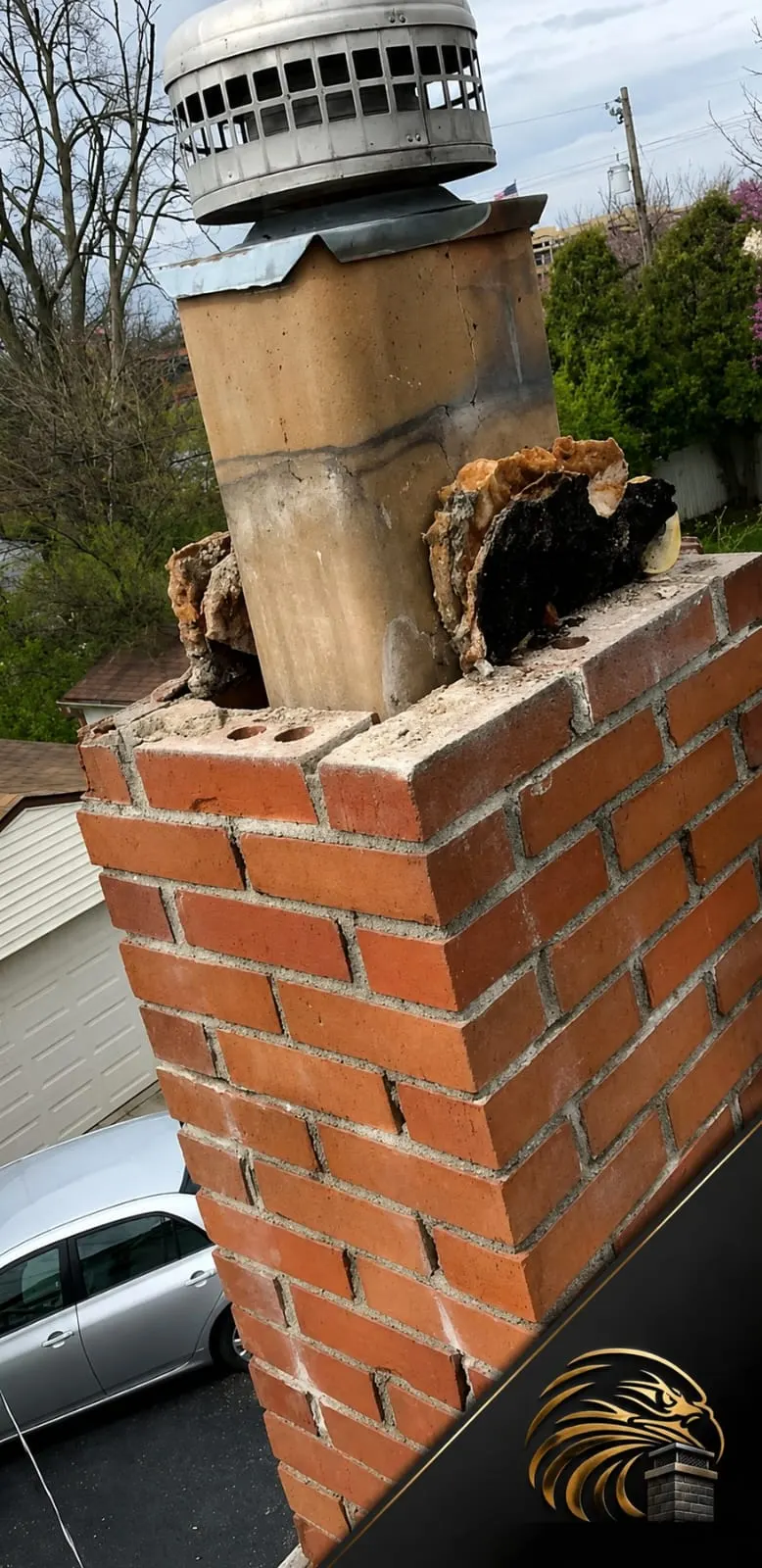
The flue liner is the chimney's inner wall: it contains the heat, the exhaust gases and the creosote, and keeps them away from the wood framing of your house. When a liner cracks, gaps or was never installed at all — common in older New Jersey homes — the chimney may still draw fine while quietly leaking heat and carbon monoxide into the walls. Liner condition is the single most important finding in a camera inspection.
When a liner fails, there are two real options: repair or replace clay tile where damage is isolated, or reline the flue with a stainless steel liner system. We install both, we inspect with a camera before recommending either, and we will show you the footage so the recommendation makes sense.
Tell us about your chimney or gas fireplace — we confirm every request by phone. Prefer to talk? Call (855) 424-6217.
Clay tile has lined chimneys for a century and performs well — until it cracks. Heat shock (a chimney fire, even a brief one), settling and age open cracks at the joints, and a cracked tile cannot be patched from inside in any lasting way; sections can be replaced only by opening the chimney or removing tiles from the top. Where damage is limited to a joint or two near the top, targeted repair can be legitimate. Damage scattered down the flue is a relining conversation.
A stainless liner is a continuous, correctly sized flue inside your old one — no joints to gap, no tiles to crack, and it carries a lifetime warranty from the manufacturer in most residential applications. It also lets us size the flue to the appliance: an oversized masonry flue serving a modern furnace or insert is a draft and creosote problem that a right-sized liner fixes at the same time. For most failed clay liners in New Jersey homes, stainless relining is the repair we recommend — and we will show you the camera footage so you can see why.
We provide flue liners — clay vs stainless in every community we serve — including Red Bank · Freehold · Cherry Hill · Marlton · Lakewood · Toms River · Brick — and all 163 towns in our service area.
Only a camera inspection can say for sure. Warning signs include pieces of tile in the firebox, a strong odor, smoke problems, or a chimney fire in the home's past.
Our honest answer after a camera look: cracked liners are a "do not burn until fixed" finding in most cases, because the cracks are a path for heat and gases to reach framing.
Most residential relines are completed in one day, including the top termination and cap.
For exterior chimneys and most wood-burning applications, yes — insulation keeps flue gases hot, improves draft and reduces creosote. We insulate where the installation calls for it and include it in the quote.
Yes — a chimney with two flues gets two liners, sized separately for each appliance. Single-flue shared arrangements need an in-person evaluation for safety.
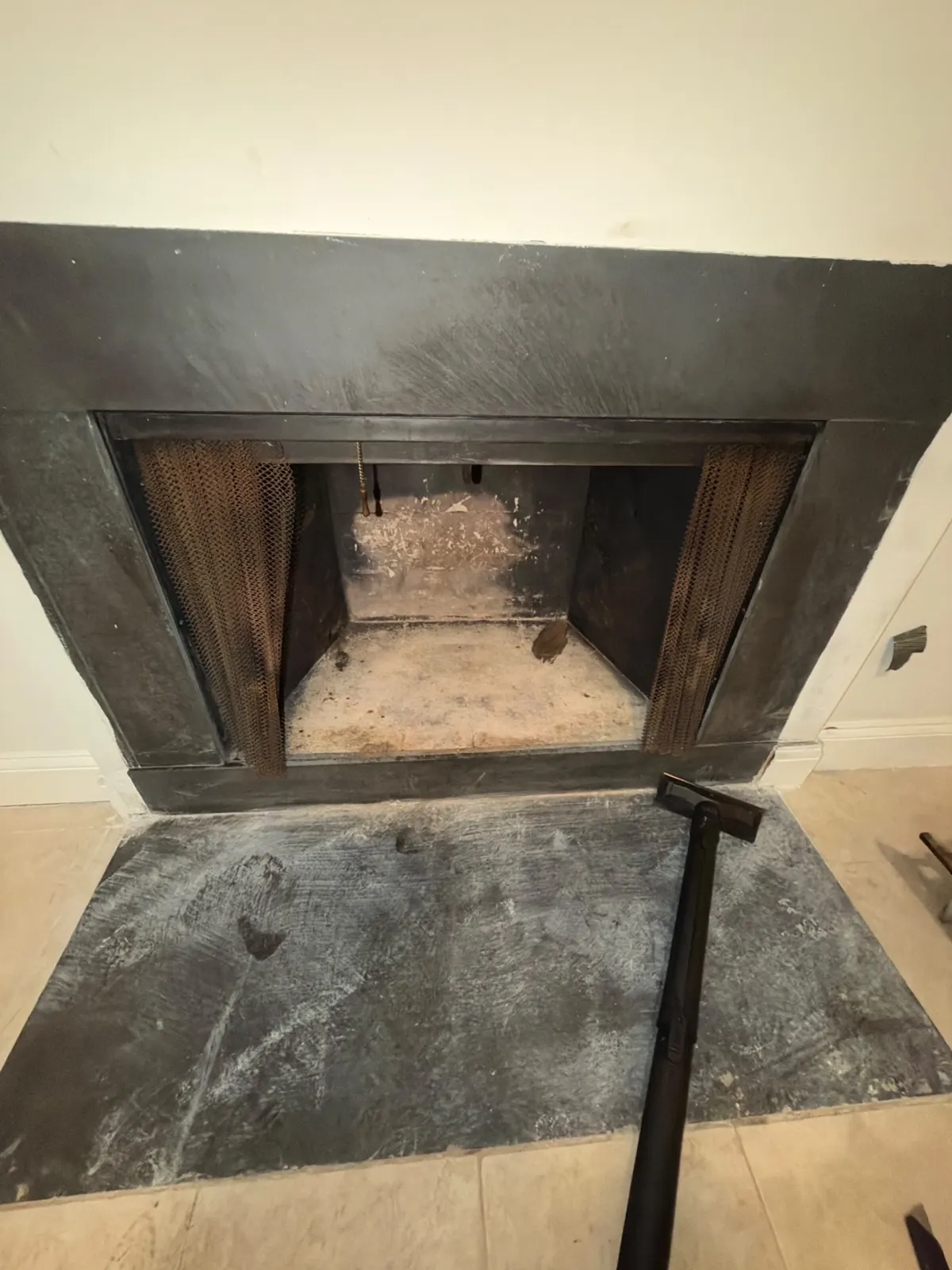
A full sweep of the flue, firebox and smoke chamber — creosote gone, draft restored, and a written condition report before we leave.
Learn more →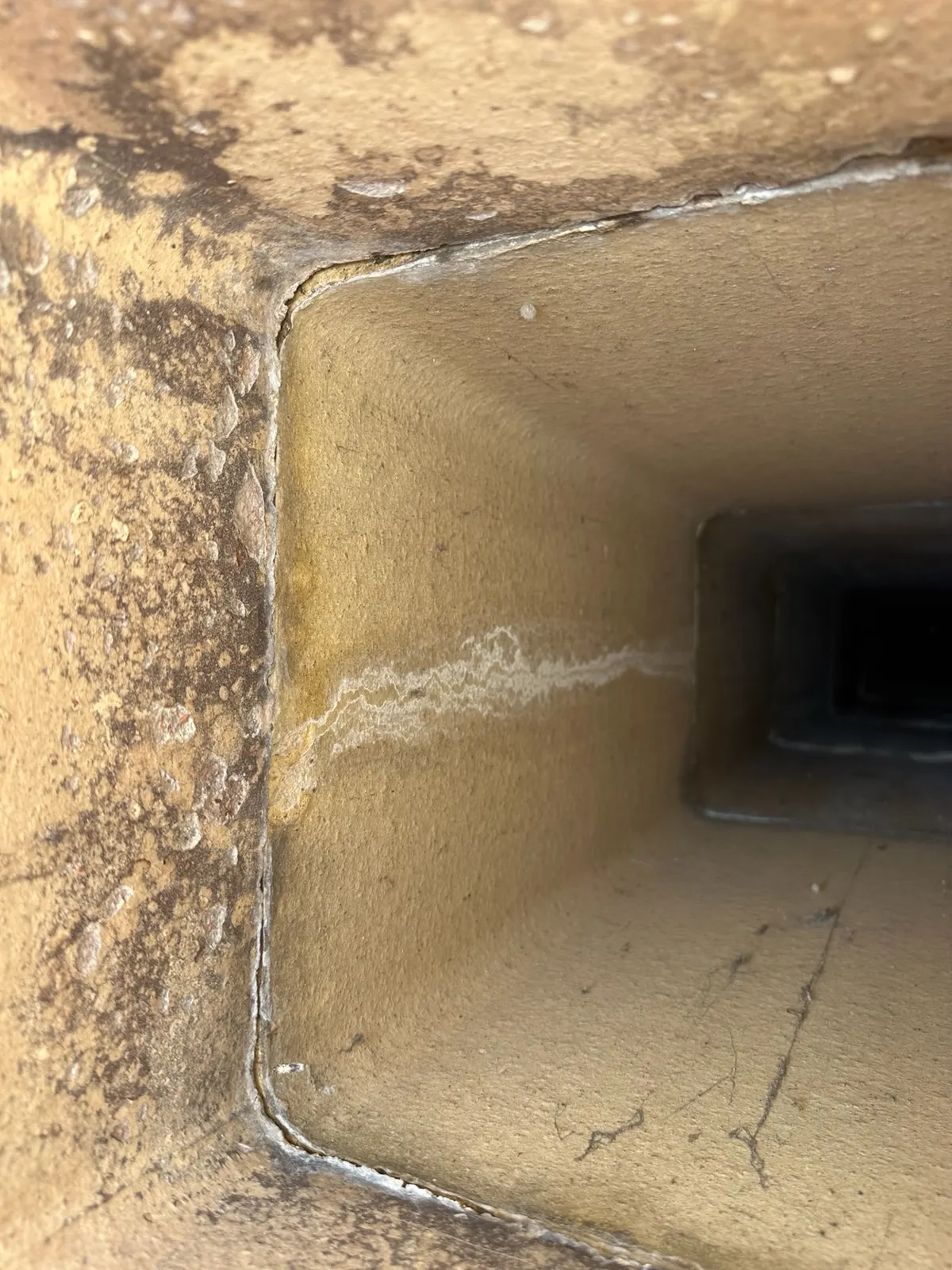
Level 1 and Level 2 chimney inspections with camera scanning, a photo report and straight answers — for annual checks, home sales and after a chimney fire.
Learn more →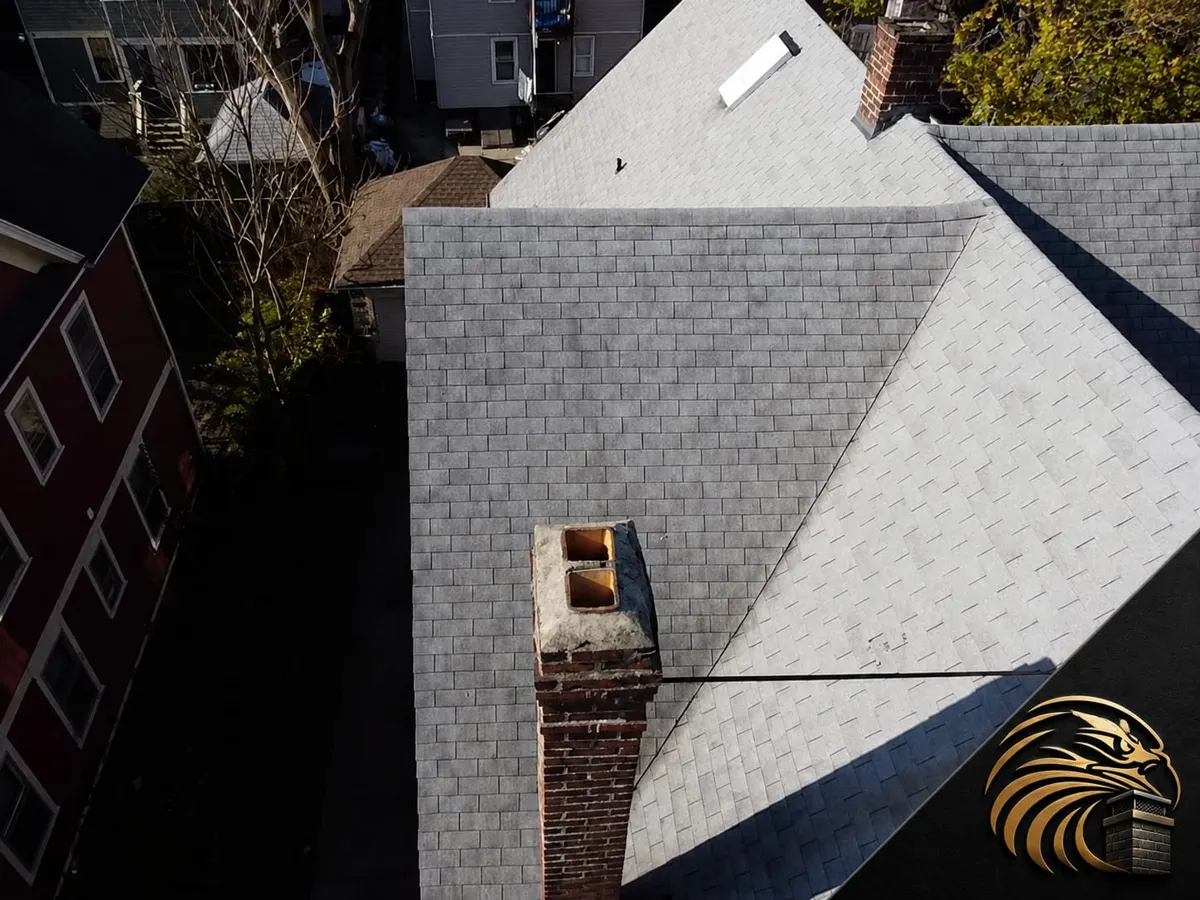
The annual inspection for chimneys in regular service: every accessible part checked, condition documented, safety confirmed for another season.
Learn more →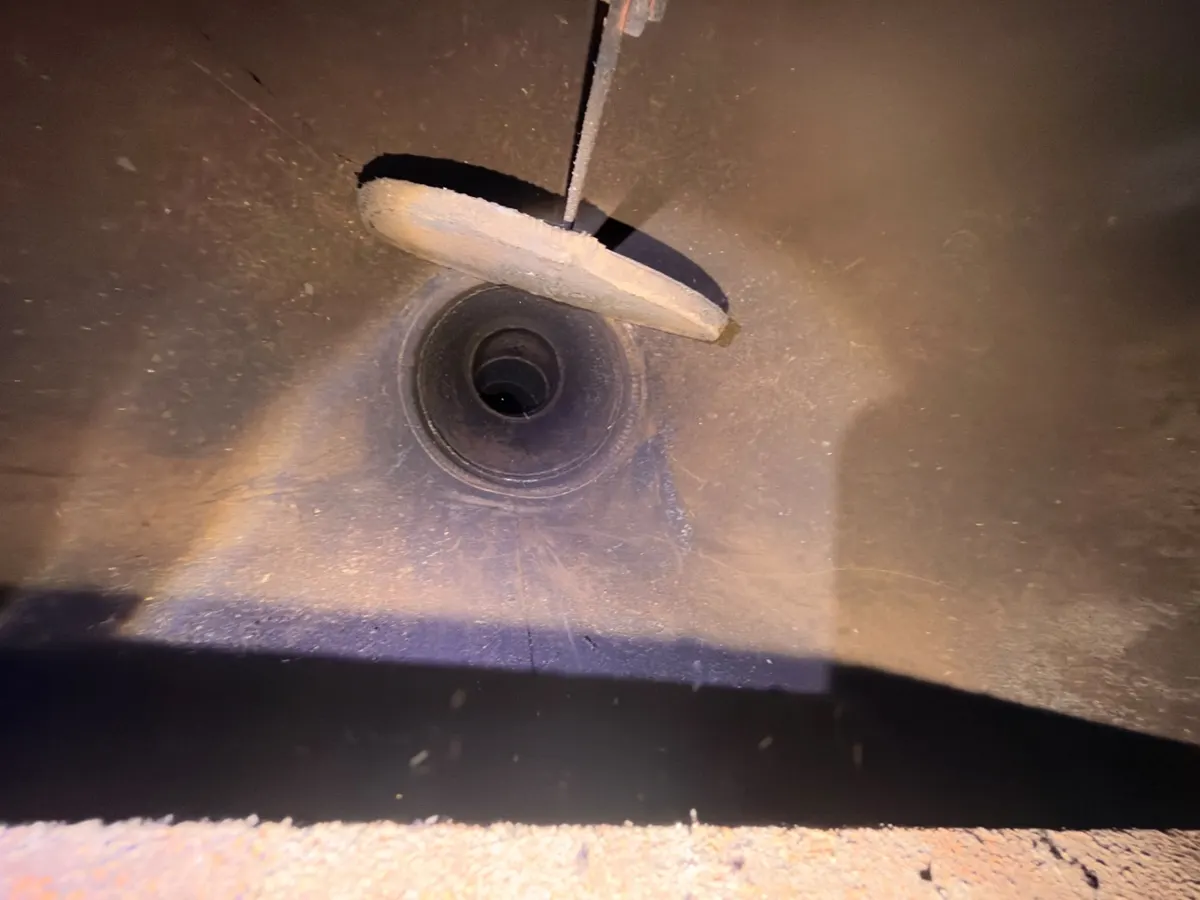
Camera inspection of the entire flue, plus attics, crawl spaces and concealed areas — the inspection for home sales, chimney fires and appliance changes.
Learn more →