
Chimney Liner Replacement in New Jersey: Clay Tile vs Stainless Steel
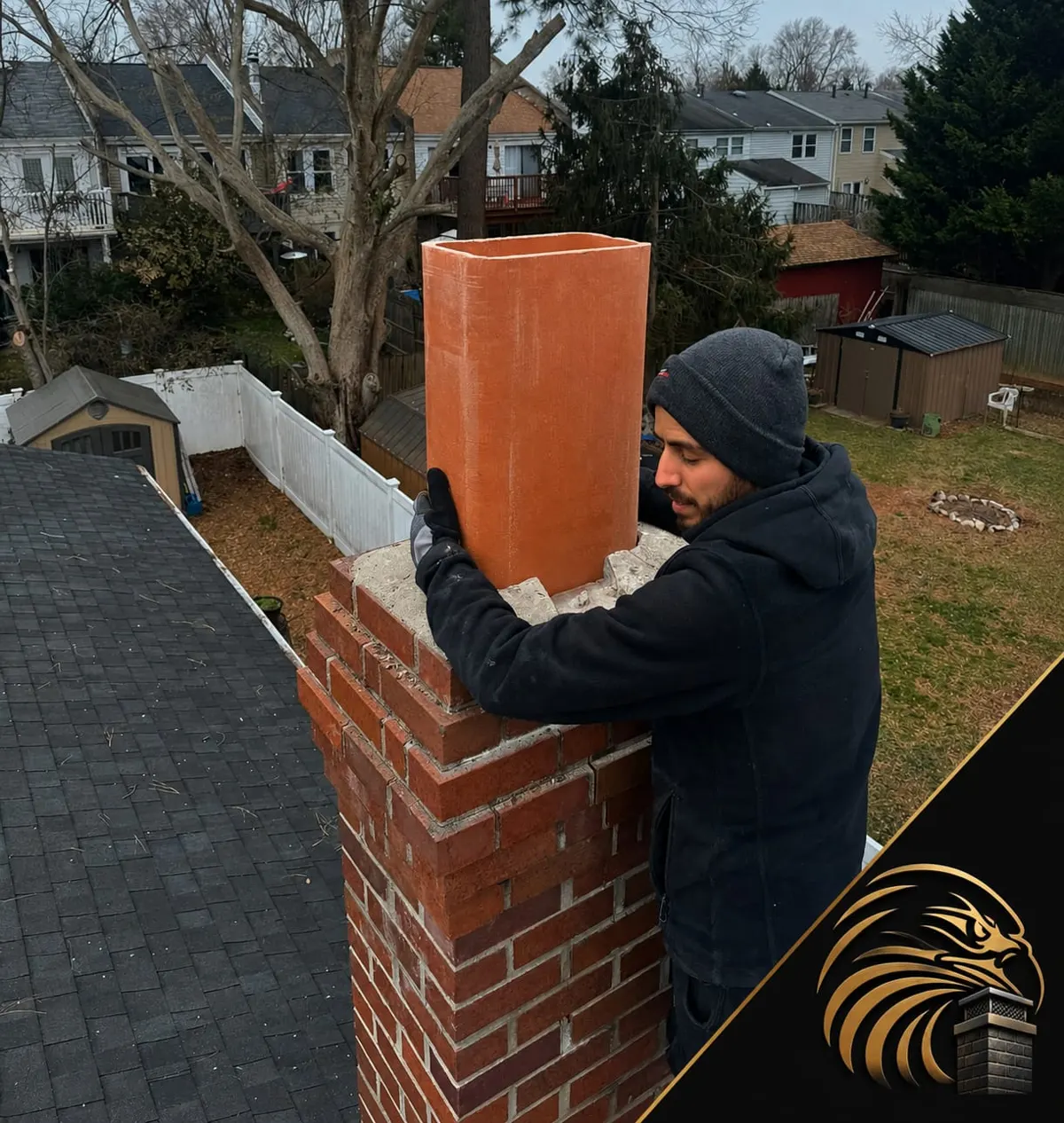
The sentence nobody wants on an inspection report is "the flue liner is damaged." It sounds structural, expensive and vague all at once. In truth, a liner is one of the most understandable parts of a chimney: it is the pipe inside the pipe, the sealed channel that carries smoke, heat and gases from your fireplace or furnace safely out of the house. When it cracks, that channel leaks. Here is how the two replacement options compare, and how New Jersey homeowners should think about the decision.
What the liner actually does
A liner does three jobs. It keeps heat from transferring to the wood framing around the chimney — unlined and damaged-liner chimneys are how chimney fires become house fires. It keeps combustion gases, including carbon monoxide, inside the flue instead of seeping through mortar joints into the house. And it protects the masonry itself from the corrosive byproducts of burning. A liner is not an upgrade; it is the working surface of the chimney, and it wears out.
Clay tile: the original, with original limits
Most New Jersey homes built through the twentieth century have clay tile liners — stacked ceramic sections mortared together. Clay is inexpensive and, kept dry and unstressed, durable. Its weaknesses are thermal shock and movement: a single chimney fire can crack tiles, house settling opens the joints between sections, and once a tile cracks there is no repairing it in place — the section has to come out, which usually means opening the chimney or removing tiles from the top down. Clay also comes in fixed sizes, so an older flue is often oversized for a modern furnace or stove, which hurts draft and lets acidic condensate linger.
Stainless steel: the modern default
A stainless liner is a continuous, insulated metal flue run from the appliance to the top of the chimney in one piece. No joints to open, no tiles to crack, and it can be sized exactly to the appliance it serves — which is why draft problems often disappear after a reline. Quality stainless systems carry a lifetime warranty when professionally installed and maintained. Installation typically takes about a day: the old tile is broken out or bypassed, the new liner is lowered in, insulated, connected and capped. For most New Jersey homes, this is the option we recommend and the one most buyers and insurers like to see on paper.
How do you know if yours is actually bad?
Not by looking up from the fireplace — most liner damage hides above the smoke chamber. The honest answer comes from a camera inspection: a Level 2 inspection runs a camera the full length of the flue and shows you the tiles directly. Cracked, displaced or missing sections are visible facts, not opinions, and you should be shown the footage or photos. Be wary of any liner quote that arrives without camera evidence — and equally, if your camera report shows sound tiles, a liner is not something you need to buy.
The home-sale angle
In Monmouth, Ocean and South Jersey home sales, liner findings are one of the most common chimney items to surface between inspection and closing. Sellers relining before listing remove a negotiation chip; buyers inheriting a cracked liner should budget the reline into the purchase, not defer it — a damaged liner is a use-it-or-fix-it item, not a use-it-and-watch-it one. Either way, get the paperwork: liner material, diameter, insulation and warranty terms belong in the closing file.
The bottom line
Clay served its era; stainless is the replacement that ends the conversation for the life of the home. If your inspection raised a liner question, start with camera evidence, then decide. Eagle Chimney Services performs Level 2 camera inspections and stainless relining across 163 New Jersey communities — call (855) 424-6217 and we will show you exactly what is inside your flue.
Need a Hand With Your Chimney?
Call (855) 424-6217 — phones answered 24/7, service Sunday through Friday across 163 New Jersey communities.